

Olive groves in Durazzano: the region’s olive-growing tradition
Among the hills of Sannio, we grow and select olives that reflect the character of our land and its long agricultural heritage.
Frantoio Diglio's olive groves in the heart of the Sannio
A landscape naturally suited to olive growing
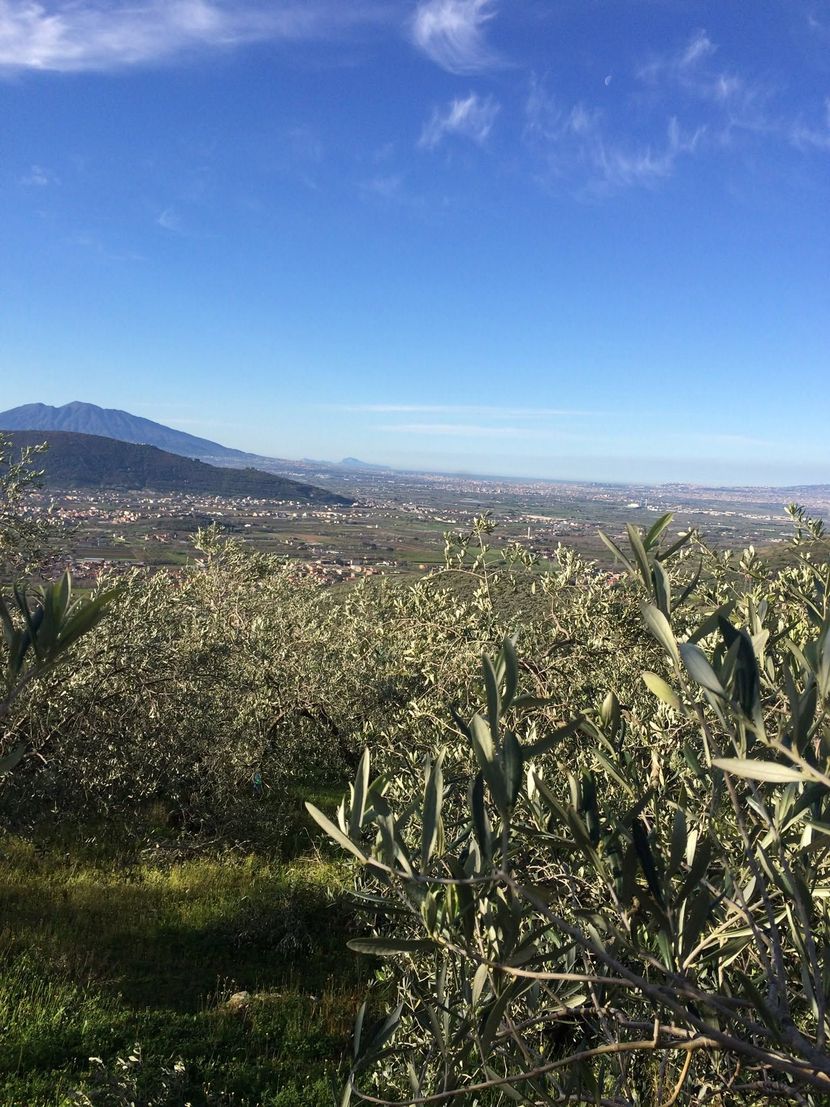
Our olive groves in Durazzano, in the province of Benevento, are part of a hilly landscape shaped by generations of farming traditions in the Sannio region. Olive growing is an important part of rural life here, alongside viticulture and other typical Campania products. The area is characterised by hills, rolling terrain and climatic conditions that support local olive cultivation. Its location, sun exposure and natural ventilation influence the growth of the trees and the fruit’s ripening cycle. For Frantoio Oleario Diglio, our bond with this land is not merely geographical; it is fundamental to our identity as producers. Knowing our groves, the varieties we grow and the harvest periods is the starting point of our work.
The characteristics of the Durazzano area
Hills, microclimate and soils ideal for cultivation
Durazzano lies in the hills of Sannio, at an elevation of about 286 meters above sea level in the town center. The area sits in a natural basin surrounded by hills, including Monte Burrano, Monte Longano, and Monte Aglio. Its opening onto the Campanian plain provides ample sunlight and airflow, while the land's contours help drain water. These environmental characteristics make the landscape particularly well suited to olive cultivation. The climate varies naturally with the seasons, influencing plant growth and the timing of olive ripening. The presence of several olive varieties also reflects the area's agricultural richness, where traditional techniques and more modern growing practices coexist to showcase local produce.
Olive varieties grown in the Sannio area
Cultivars and raw ingredient characteristics
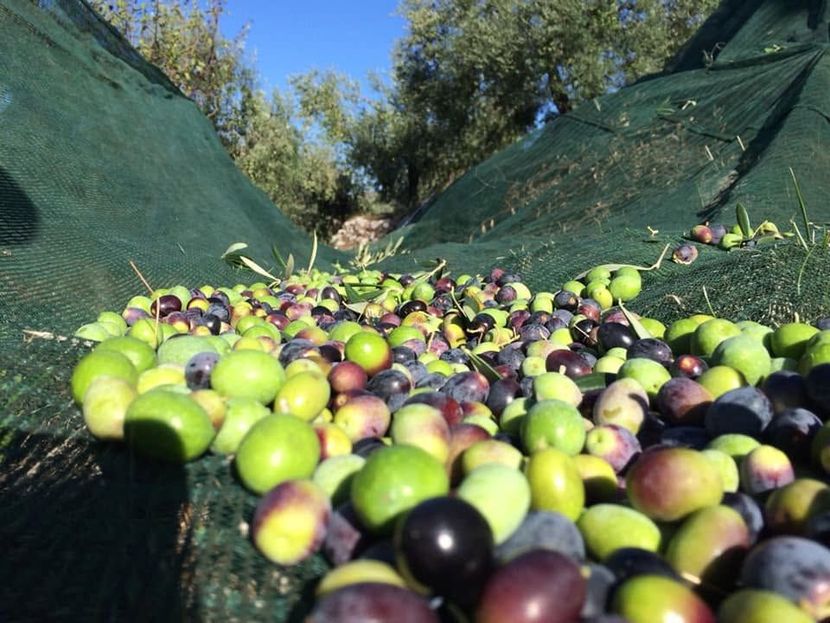
The quality of extra virgin olive oil also depends on the characteristics of the olives used. In the Durazzano and Sant'Agata de' Goti area, varieties such as Leccino, Curatora, Frantoio and Ortice are used to produce our extra virgin olive oil. Other varieties found in the local olive-growing area include Coratina and Paranzana. Each variety has its own characteristics, which can contribute to the oil’s aromatic profile, influencing its fruitiness and bitter and peppery notes. Knowing the varieties and how they develop as they ripen is important when deciding the best time to harvest. Drawing on generations of experience, we carefully assess the condition of the olives to obtain high-quality raw material for our extra virgin olive oil.
- Leccino
- Curatora
- Olive Mill
- Ortice
- Coratina
- Paranzana
Olive harvesting
The right time to preserve the fruit’s qualities
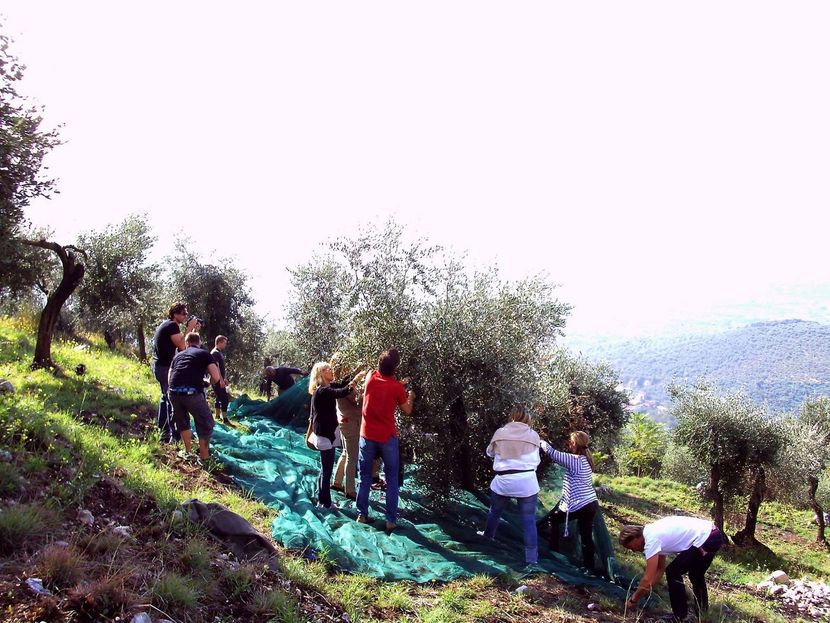
The olives for our production are generally harvested from mid-October to the end of November, depending on the varieties and their degree of ripeness. A particularly important stage is veraison, when the fruit begins to change colour while retaining some of its green hue. Harvest timing affects the sensory qualities and composition of the resulting oil. We hand-harvest the olives, taking care to preserve the fruit and minimise damage. The olives are then placed in perforated plastic crates to allow air to circulate during transport and while they wait to be processed. Careful attention to timing and handling helps limit fermentation that could compromise their quality. For organic production, olives from our own groves are harvested by mid-October, at the veraison stage.
Discover the olive oil from our groves
Contact us for information about our production
Would you like to learn more about the characteristics of the olives we use and our extra virgin olive oils? Contact Frantoio Diglio in Durazzano for more information about our production and to discover products rooted in the olive-growing tradition of the Sannio area.


