

Olive processing in Durazzano: the production process at Frantoio Diglio
From harvesting the olives to extracting the oil, we oversee every stage of production with care, expertise, and technology dedicated to the quality of the finished product.
Olive processing at our mill
A production process that starts with the raw ingredients
Olive processing in Durazzano is at the heart of Frantoio Oleario Diglio's work. For four generations, we have been turning olives into extra virgin olive oil, combining years of experience with the capabilities of modern production equipment. To preserve the qualities of the raw material, the olives are processed within 24 hours of harvesting, minimizing the time between harvest and extraction. Our production process consists of several stages, each serving a specific purpose in transforming the fruit. From the initial cleaning to the separation of the oil, every step requires careful attention to processing conditions. Our goal is to produce extra virgin olive oil that retains its aromatic and qualitative characteristics while showcasing the varieties of olives used.
Olive preparation and crushing
Washing and removing impurities
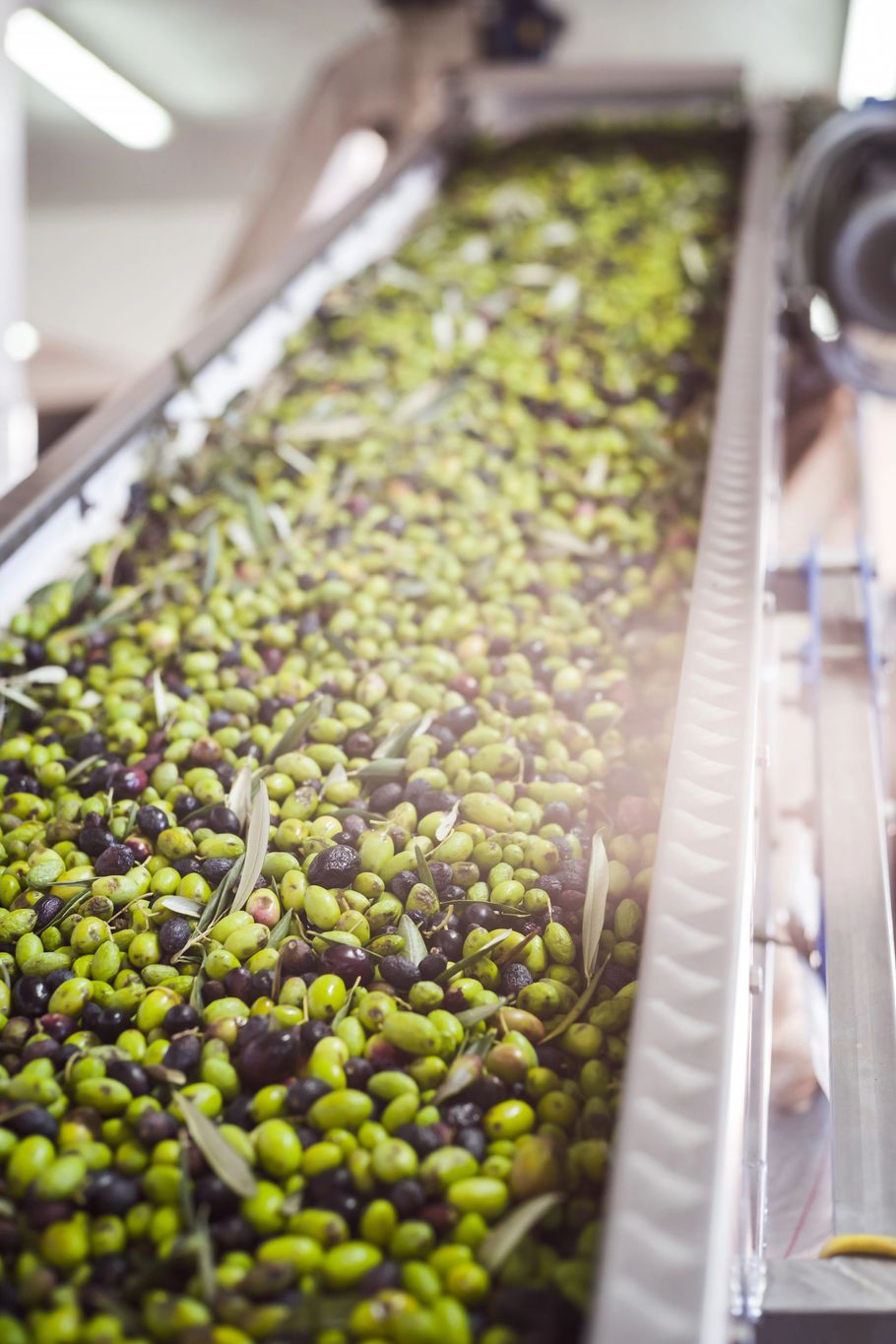
The first step in processing is cleaning the olives when they arrive at the mill. A leaf remover takes out leaves, small branches and other foreign matter that may remain after harvesting. The olives are then washed with drinking water at room temperature to remove soil, dust and other impurities. This step prepares the raw material for processing and helps prevent anything that could affect the oil’s organoleptic qualities. Care at this initial stage is essential for the production steps that follow.
Olive milling and processing
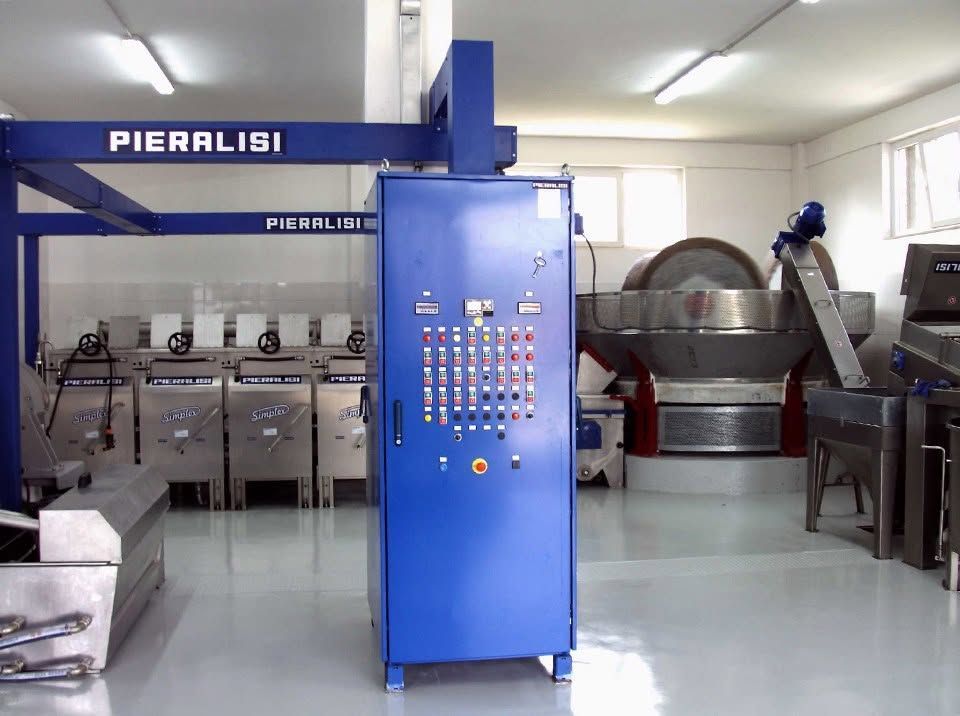
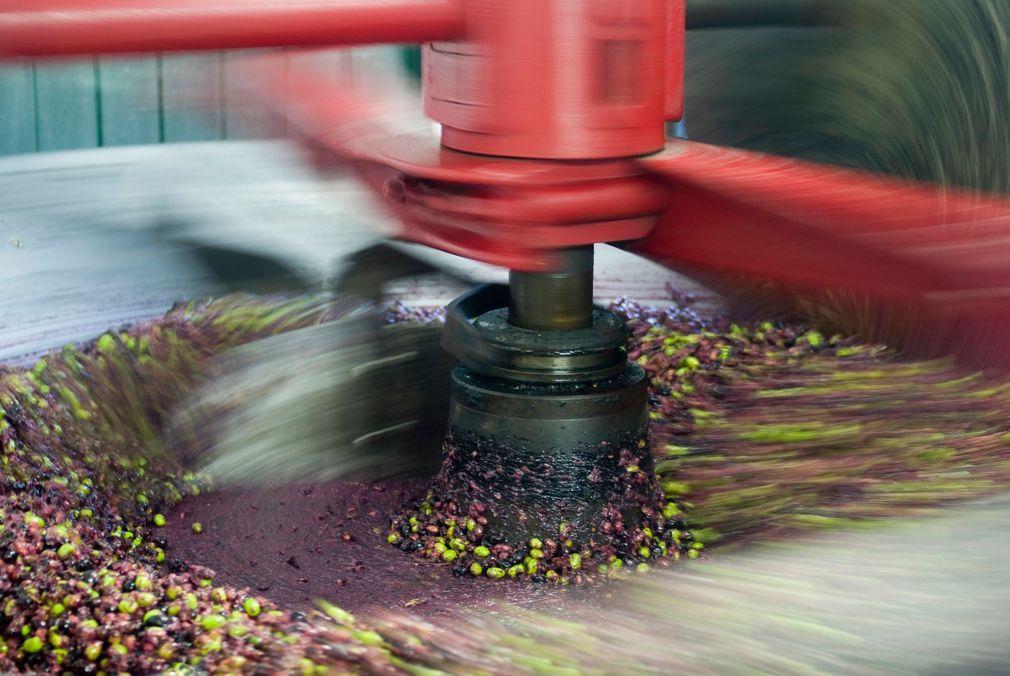
After washing, the olives are milled to produce a uniform paste made up of the pulp, pit and other natural components of the olive. Our mill uses a traditional three-wheel stone mill, with milling times of around 5 to 15 minutes, depending on the characteristics of the olives. This stage breaks down the fruit and prepares the paste for the subsequent extraction process. Careful control of milling helps develop the characteristics that will be found in the finished oil.
Malaxation and extra virgin olive oil extraction
Malaxation at a controlled temperature
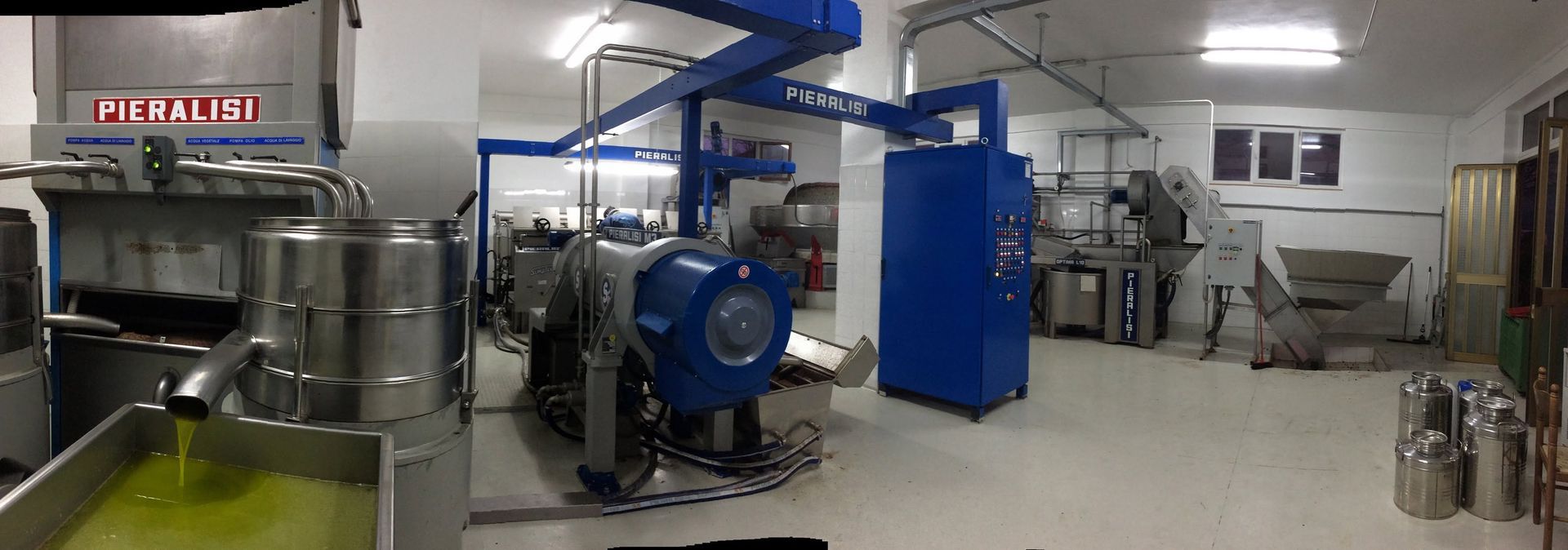
The olive paste produced by crushing is transferred to special stainless-steel malaxers, equipped with a system that controls the temperature during processing. The paste is stirred slowly to help the tiny oil droplets combine and make them easier to separate in the next stage. In our process, this stage lasts approximately 30–40 minutes at a temperature below 27 °C. Controlling malaxation conditions is important, as processing times and temperatures can affect the oil’s aroma and characteristics. Care at this stage helps bring out the qualities of the olives.
Centrifugation and separation of the components
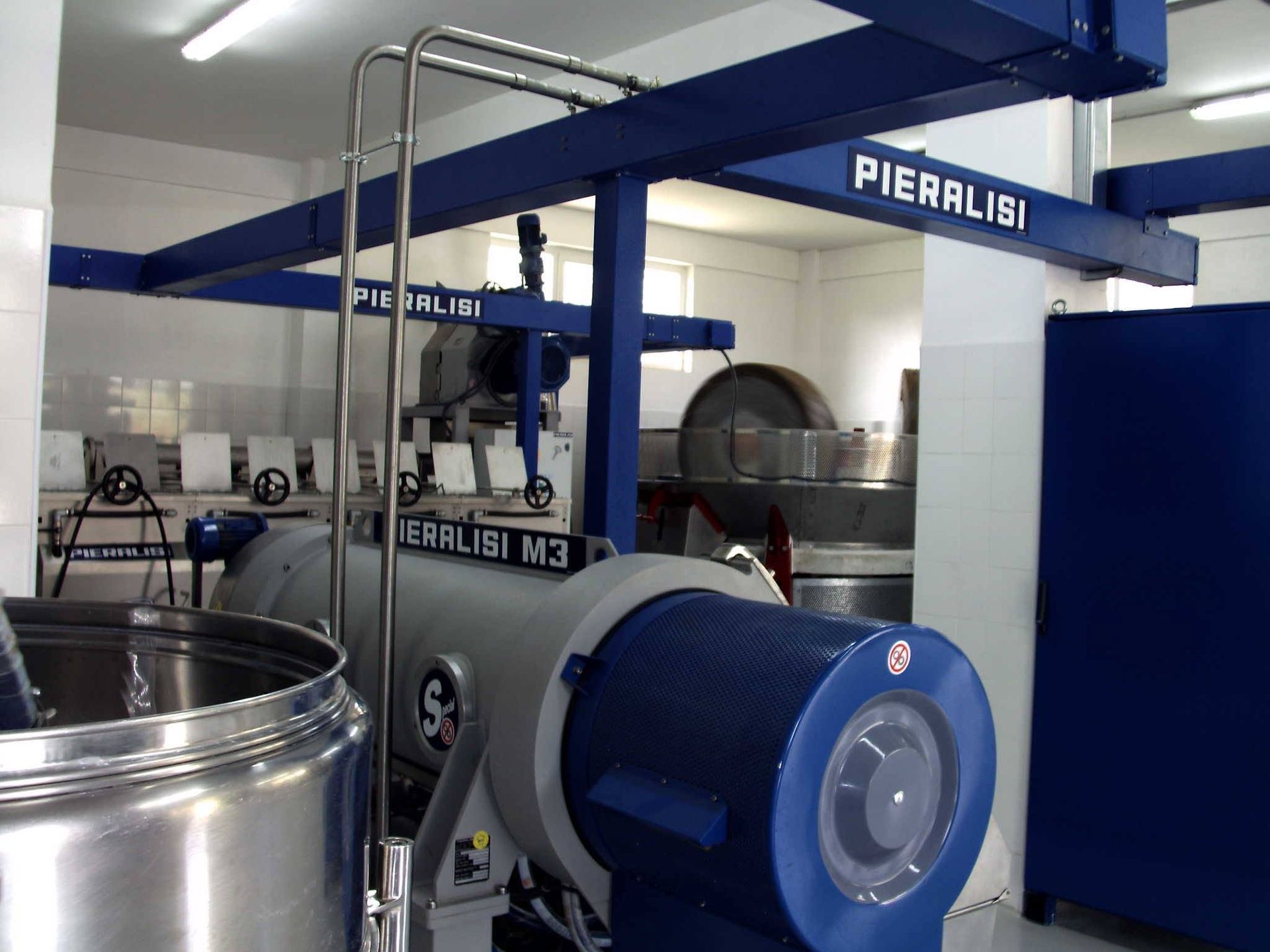
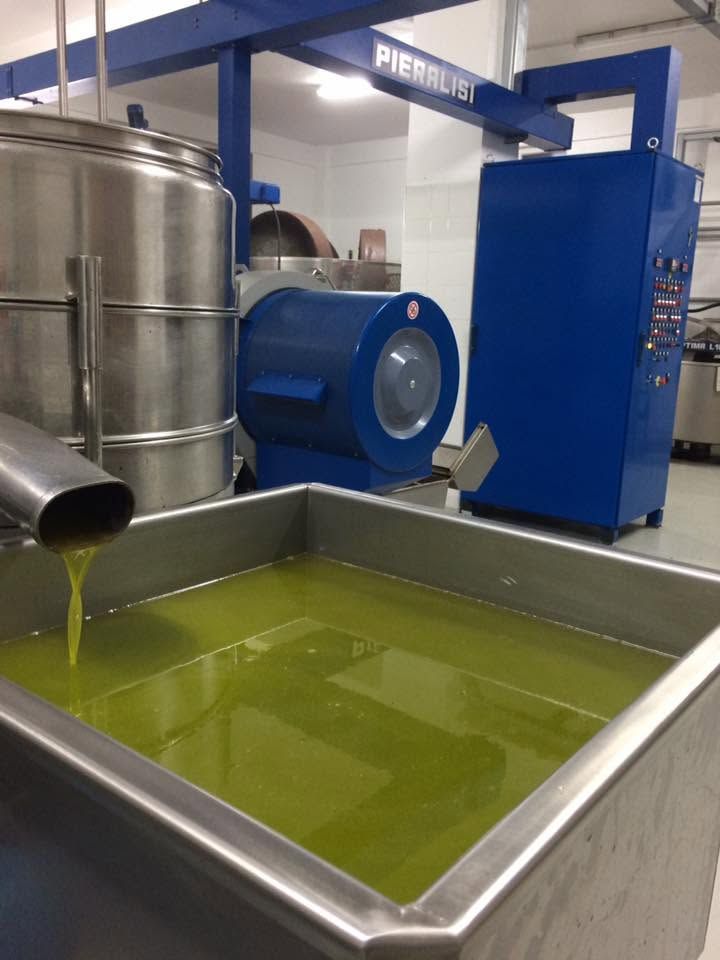
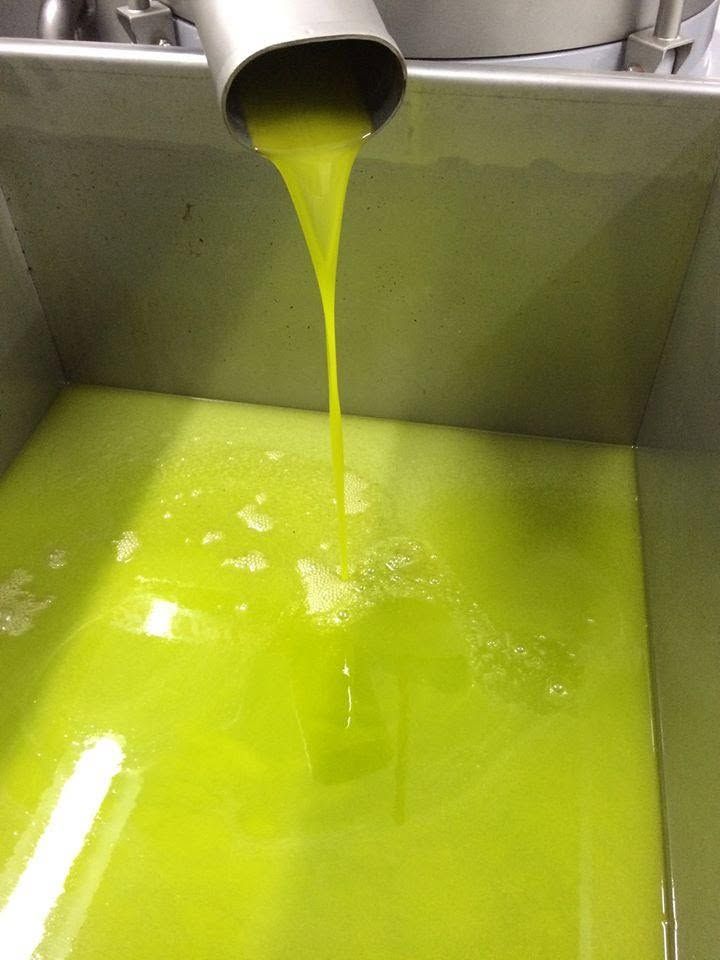
Once malaxation is complete, the olive paste is transferred to the decanter, a horizontal-axis centrifugal separator that uses centrifugal force to separate the components of the olive paste. This process separates the oil, water and pomace. The pomace is collected in dedicated containers and then sent to a pomace mill, while the liquid continues through the subsequent separation stages. Centrifugal separators complete the process by removing the vegetation water and any remaining residue from the oil. At the end of these operations, the oil is ready for the next stages of storage.
Storage and packaging
From production to distribution of our olive oil
Once extraction is complete, proper storage of extra virgin olive oil
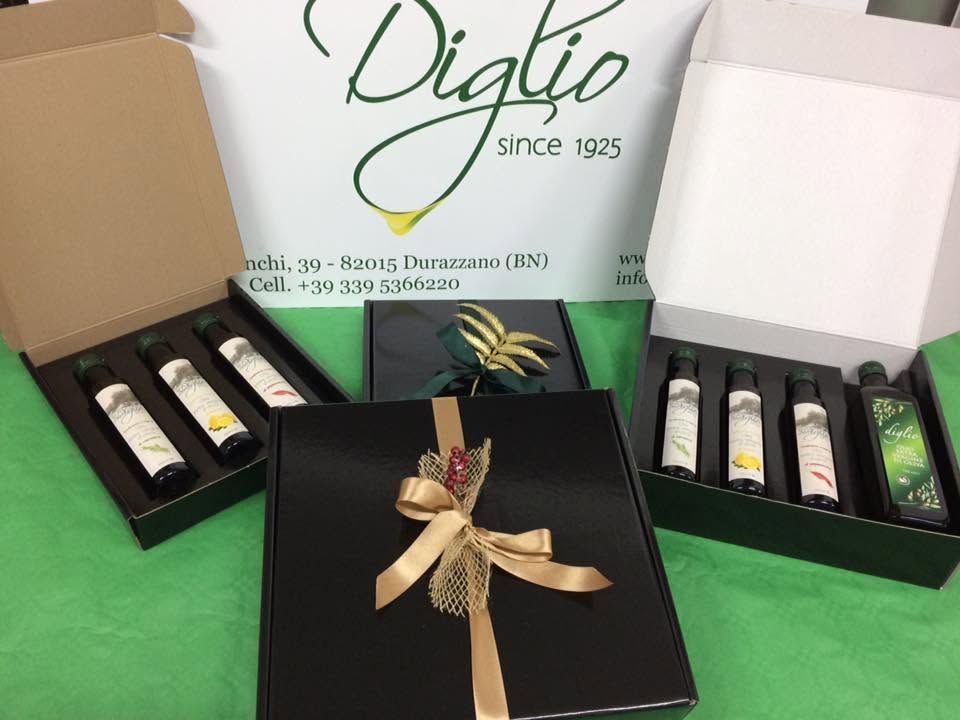
is essential to maintaining its sensory qualities. Protecting it from exposure to light, heat, and oxygen helps preserve the product's quality over time. Frantoio Diglio also handles packaging, offering a range of sizes for household use and commercial supply. Our extra virgin olive oil is available in 250, 500, and 750 ml bottles and 3- and 5-liter tins, while our flavored oils come in 250 ml bottles. This range of packaging meets different needs for use and distribution while maintaining a direct connection between production and the finished product.
Request information about our production
Contact Frantoio Diglio to learn about our production process
Would you like to learn more about our olive oil production methods or find out about the available sizes? Contact Frantoio Oleario Diglio in Durazzano: we’ll tell you about our production process and the products made at our mill.


